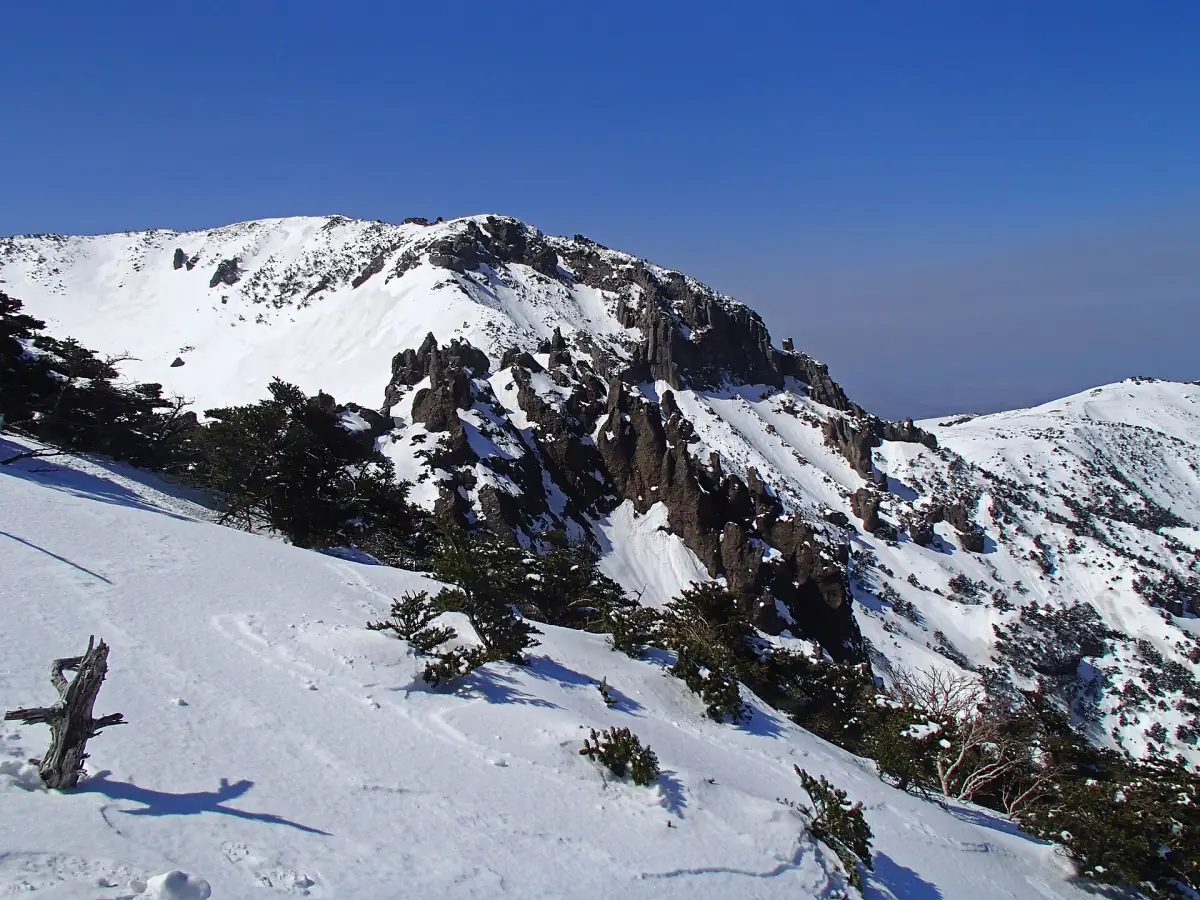
Hallasan weather and the right season for the walk
Hallasan weather should shape the walking plan as well as the date of the visit. A coastal climate table can help compare months on Jeju, but a summit day needs the mountain forecast and the park's access instructions. Choose the intended walking destination first, then leave room in the itinerary to respond to the conditions.
Jeju's coastal normals show more precipitation from June to September than in spring. That pattern is useful for packing and broad seasonal planning, rather than a promise of clear mountain days outside those months. Hallasan has marked differences between slopes and between windward and leeward locations. Use a dedicated mountain forecast alongside the city forecast when preparing for the walk.
For a Baengnokdam plan, allow the weather decision to sit alongside the upper-route reservation and the walking schedule. A shorter visit still needs a trail check, rain protection and suitable footwear. Compare the Hallasan walking options before choosing how much of the day to commit to the mountain.

A guided winter outing
The winter outing includes a climbing guide, traction equipment and lunch for a mountain day.
Hand-picked tours, booked through GetYourGuide. Prices are indicative starting prices in US dollars (as of November 2026). Tap a tour for live availability and the current price in your currency.

A guided Hallasan winter outing with equipment
The five-hour winter programme includes a guide, shoe spikes, walking poles, lunch and transport from three meeting points. Plan Baengnokdam access and its reservation separately; snow conditions depend on the day.
Monthly climate at the coastal Jeju station
Jeju station's monthly climate normals cover 1991 to 2020 in the Korean weather service's 2021 publication. The station stands at 20.8 m and represents coastal and city conditions. The temperature columns are averages of daily maxima and minima, not records, and the table is not a Hallasan summit forecast.
| Month | Mean daily high °C | Mean daily low °C | Precipitation mm |
|---|---|---|---|
| January | 8.6 | 3.7 | 67.5 |
| February | 9.9 | 4.0 | 57.2 |
| March | 13.3 | 6.6 | 90.6 |
| April | 18.0 | 10.8 | 89.7 |
| May | 22.1 | 15.0 | 95.6 |
| June | 24.9 | 19.1 | 171.2 |
| July | 29.3 | 23.7 | 210.2 |
| August | 30.1 | 24.8 | 272.3 |
| September | 26.1 | 20.9 | 227.8 |
| October | 21.6 | 15.7 | 95.1 |
| November | 16.4 | 10.4 | 69.5 |
| December | 11.0 | 5.6 | 55.6 |
August is the warmest and wettest month in this coastal series. Use the comparison to prepare for the island part of the visit, then pack separately for the mountain. The table describes a long-term pattern; visibility, wind and trail conditions need a separate assessment for the walking day.
A Hallasan winter hike: snow, equipment and turning back
A Hallasan winter hike needs preparation for snow, ice and rapid weather changes. The park's winter notice dated 30 September 2026 defines the winter access season as October to March and gives 05:00 local time as the trail start. The current season runs through 31 March 2027, with access still subject to the day's controls.
The park recommends warm clothing, gloves, warm water, a lamp and shoe spikes for winter preparation, alongside walking boots, spare clothing and emergency food. Bring water and snacks before reaching the trail: the park asks walkers to carry supplies because there are no sales points along the routes. Treat the equipment list as preparation guidance and follow the day's instructions at the entrance.
Visiting Hallasan in December means planning within that winter framework, rather than selecting a date with an assured snow cover. Snow can hide the trail, fog can make the route difficult to recognise, and streams can rise suddenly in heavy rain. Build turning back into the decision before setting out; a reservation is separate from the safety of the conditions.
The featured winter outing supplies a guide, shoe spikes, poles, lunch and transport from three meeting points over five hours. Those services suit a visitor who wants a guided winter programme with those equipment items provided. For a Baengnokdam objective, organise the summit route and reservation separately instead of using the winter product title to select the walking endpoint.
Daily Hallasan forecast and trail checks
Hallasan's daily park controls and mountain forecast are the final checks before departure. The winter notice identifies strong wind, typhoons, snow, heavy rain and cold as conditions relevant to access. Check the chosen route, its entry controls and descent requirements together, rather than relying on a previous day's open status.
For the road journey, consult the Hallasan transport guide and review the conditions on the approach as well as the walking route. Keep accommodation and other plans flexible enough to change the mountain day. A published season describes the access framework, while the daily decision concerns the actual journey and walk.
Hallasan's park rules require walkers to stay on designated trails, take rubbish away and leave plants, insects and rocks undisturbed. Smoking and alcohol are prohibited according to the park information consulted in November 2026. In an emergency, call 119 and give the number on the trail location sign so the location can be identified.
Hallasan weather questions
Which months are wetter in the Jeju coastal normals?
June to September have more precipitation than spring in the Jeju coastal station's 1991 to 2020 normals. August is the wettest month in that series. These figures describe the coast, so use a mountain forecast and Hallasan's daily trail controls when deciding whether to make the planned walk.
What should I prepare for winter walking?
Hallasan's park guidance recommends warm clothing, gloves, warm water, a lamp and shoe spikes for winter, plus walking boots, spare clothing and emergency food. Carry water and snacks before starting. The featured five-hour winter outing includes spikes and poles, a guide, lunch and transport from three meeting points.
How should I plan a December visit?
A December Hallasan visit belongs within the October to March winter access framework in the park's notice of 30 September 2026. Prepare for snow and ice, check the mountain forecast and follow the day's trail controls. Choose the walking goal separately from any expectation of seeing snow on the day.